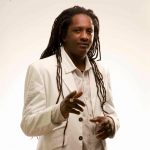
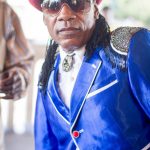
Clinton Fearon


Clinton Fearon: Biography and His Impact on Roots Reggae
Clinton Fearon is a reggae artist celebrated for his soulful voice, conscious lyrics, and masterful bass playing that helped shape the sound of classic roots reggae and keep it alive worldwide. Known first as a key member of The Gladiators and later as a respected solo artist based in Seattle, clinton fearon built a reputation as one of reggae’s finest storytellers, blending social commentary, spirituality, and personal reflection into songs loved across generations.
Long-tail keywords naturally tied to his story include “Clinton Fearon reggae biography,” “Clinton Fearon Gladiators history,” “Clinton Fearon Boogie Brown Band,” “Clinton Fearon Seattle roots reggae,” and “Clinton Fearon top songs and albums.”
Early Life and Background
- Birth Name: Clinton Anthony Fearon.
- Date of Birth: January 13, 1951.
- Place of Birth: Near Kingston, Jamaica, often noted as St. Catherine Parish or the hills of St. Catherine.
Childhood in Rural Jamaica
Clinton Fearon spent much of his childhood in the hills of St. Catherine, a rural area marked by farming, nature, and hard work. He has described growing up “deep in the hills” surrounded by beauty and physical labor, experiences that later surfaced in his lyrics about land, dignity, and resilience.
His mother moved with him from the countryside to Kingston while he was still a teenager, exposing him to the energy and opportunities of Jamaica’s capital city. This move created a bridge between rural life and urban culture, both of which would inform his songwriting.
Upbringing, Church, and Education
Fearon’s earliest musical education came from the local Seventh-day Adventist church and school events, where he sang regularly. Church hymns and harmonies taught him phrasing, dynamics, and spiritual themes, while school performances helped him gain confidence as a young singer.
Even as a child, he knew he wanted to be a musician and took any opportunity to sing or play. Formal schooling ran alongside these experiences, but music became his main focus as he approached his teens.
First Instruments and Self-Teaching
As a teenager, Clinton Fearon famously built his own guitar so he could practice despite limited means. This homemade instrument allowed him to explore chords, write early songs, and accompany himself, demonstrating early technical curiosity and determination.
By his early teens he was already composing, singing, and playing instruments, laying the groundwork for a professional career that would begin around age 19.
Life Before Fame
Before fame, clinton fearon’s life followed a step-by-step progression from rural chores to professional music:
- He worked on farms and helped his family with daily tasks in St. Catherine, learning discipline and perseverance.
- He sang in church choirs and school groups, where he refined his ear for harmonies and emotional delivery.
- He experimented with his self-built guitar, teaching himself chords and composing simple melodies.
- He absorbed influences from Jamaican ska and early rocksteady, plus records from Motown and other soul artists that reached rural Jamaica.
- He moved with his mother to Kingston as a teen, gaining access to a larger musical world, including sound systems, bands, and studios.
These steps transformed him from a rural church singer into a resourceful young musician ready for the professional scene.
Early Work and First Band
In Kingston, he formed his first group called The Brothers and began trying to enter the recording industry. He rehearsed frequently, wrote songs, and knocked on doors at studios such as Treasure Isle as he looked for a breakthrough.
This period required side work and hustle rather than stable jobs; like many young Jamaican musicians of the era, he balanced rehearsals, auditions, and informal performances with whatever work or errands were necessary to survive in the city. Even then, his technical skills as singer, guitarist, and developing bassist set him apart from some peers.
Technical Skills Before Recognition
Before the world knew his name, Fearon had quietly built a solid technical foundation:
- Multi-instrumentalist ability, especially guitar and later bass, developed through constant practice.
- Songwriting talent, with lyrics exploring spirituality, hardship, and social observation.
- Live performance skills, gained from performing in church, school, and small gatherings.
These skills made him ready when larger opportunities finally arrived.
How He Became Famous
Joining The Gladiators
Clinton Fearon’s big break came when Errol Grandison, connected with the emerging roots band The Gladiators, heard him playing with The Brothers. Grandison invited him to replace David Webber as the third core member of The Gladiators, giving him a crucial opening into the professional roots reggae world.
He joined The Gladiators in 1969, first as a singer and guitarist, then as bassist and background vocalist after lineup changes. This role placed him at the heart of a band that would become one of Jamaica’s most respected roots reggae groups in the 1970s and early 1980s.
Mentors, Producers, and Key Allies
Several figures and institutions helped Clinton Fearon grow and gain recognition:
- Albert Griffiths and other members of The Gladiators, who gave him space to write, sing lead, and play bass on key tracks.
- Producer Coxsone Dodd at Studio One, who used him as a session musician and thus exposed him to many projects and artists.
- Producer Lee “Scratch” Perry at Black Ark, who also worked with Fearon as a session player, further expanding his reputation.
Through these relationships he became both a band mainstay and an in-demand studio musician, earning respect long before his name appeared prominently on international posters.
Career and Major Events
Core Years with The Gladiators
From 1969 until 1987, Clinton Fearon spent roughly 18 years as bassist, vocalist, and lyricist for The Gladiators. During this period, the group released influential albums and toured extensively, helping define roots reggae during its classic era.
Fearon wrote and sang lead on several key Gladiators songs, including “Chatty Chatty Mouth,” “Richman Poorman” (often written “Rich Man Poor Man”), “On The Other Side,” “Can You Imagine How I Feel,” “Let Jah Be Praised,” “One Love,” and “Untrue Girl.” These tracks became cult favorites and showed his gift for combining catchy melodies with pointed, reflective lyrics.
As The Gladiators’ bassist, he crafted lines that were melodic but firmly rooted in the groove, a style many musicians later admired and emulated.
Session Work and Bass Contributions
While still a member of The Gladiators, Fearon also worked as a session musician at several major Jamaican studios. He recorded at Studio One for Coxsone Dodd and at Lee “Scratch” Perry’s Black Ark, two of the most important creative centers in roots and dub reggae.
He contributed “everlasting” bass lines for artists including Yabby You, Jimmy Riley, Max Romeo, Junior Byles, and others, becoming part of the sonic backbone of many classic reggae recordings. This work strengthened his technical reputation and widened his musical network beyond The Gladiators.
Move to the United States and The Defenders
In 1987, after a Gladiators tour in the United States, Clinton Fearon chose to remain in the country and settle in Seattle, Washington. Together with other members of The Gladiators, he formed a band called The Defenders, using extra time on their work visas to start this new project in the Pacific Northwest.
The Defenders built a solid following in the Northwest region, performing roots reggae for local audiences for around five years. Eventually the band dissolved, but the experience established Fearon in Seattle and confirmed that there was strong interest in authentic Jamaican roots music far from Jamaica itself.
Birth of the Boogie Brown Band
After The Defenders split, Clinton Fearon regrouped and formed the Boogie Brown Band with Seattle musicians from reggae, jazz, and other backgrounds. By 1993–1994, the new band released its debut album “Disturb the Devil,” which marked the beginning of Fearon’s fully independent solo career.
He also launched his own label, Boogie Brown Productions, to handle his recordings and give him full creative control. Through this label and band, he recorded multiple albums over the decades, mixing electric roots arrangements with acoustic projects that highlighted his voice and guitar work.
Notable Solo and Band Albums
Clinton Fearon has released numerous albums under his own name, both with the Boogie Brown Band and in solo acoustic settings. Among his notable works often cited by labels and festivals are:
- “Disturb the Devil” – The Boogie Brown Band debut, signalling his new direction from Seattle.
- “Mi An’ Mi Guitar” (2005) – Acoustic album praised for its intimacy and lyrical strength.
- “This Morning” (2016) – Album released through European partners that reinforced his status as a touring favorite in Europe.
- “History Say” (2019) – Project tied to his celebration of 50 years in music.
- “Breaking News” – A later album recorded with French band The Riddim Source.
Altogether, sources credit him with around 10–13 albums under his own name, including Boogie Brown Band releases and acoustic projects.
Touring and Collaborations
Across the 2000s and 2010s, Clinton Fearon toured widely in the United States, Europe, and other regions, appearing at festivals such as Sierra Nevada World Music Festival, Reggae on the River, National Folk Festival, Festival International de Louisiane, Houston International Festival, Salmonstock, and many more.
He also recorded collaborations with artists including Alpha Blondy (“Together Again,” 2019), The Movement (“Mountain,” 2020), Manjul (“Long Time No See,” 2021), and Mike Love (“Medicine Man,” 2022). These projects connected him with younger generations of reggae and world-music listeners.
Challenges and Evolution
Clinton Fearon’s career involved several challenges: leaving Jamaica, adapting to American life, and building an audience far from the traditional reggae hubs. Furthermore, working largely outside major label systems forced him to manage production, promotion, and touring logistics through his own structures.
Nonetheless, he remained committed to roots reggae and to messages of hope, love, self-reliance, and justice, continually refining his songwriting and performance style.
Ten Facts About Clinton Fearon
- Clinton Anthony Fearon was born on January 13, 1951, in or near Kingston, Jamaica, and grew up in the hills of St. Catherine Parish.
- He began singing in church and at school from his early teens and built his own guitar as a teenager to pursue music.
- He joined The Gladiators in 1969 and spent about 18 years as their bassist, vocalist, and lyricist.
- He wrote and sang lead on Gladiators classics such as “Chatty Chatty Mouth,” “Richman Poorman,” “On The Other Side,” “Can You Imagine How I Feel,” “Let Jah Be Praised,” “One Love,” and “Untrue Girl.”
- He worked as a session musician at Studio One and Black Ark, recording bass lines for artists like Yabby You, Jimmy Riley, Max Romeo, and Junior Byles.
- He left Jamaica after a 1987 U.S. tour and settled in Seattle, where he has lived since.
- He formed The Defenders in the late 1980s and later created Clinton Fearon and Boogie Brown Band in 1993.
- He founded Boogie Brown Productions as his own record label to release his music.
- By the late 2010s, he had recorded around 13 albums under his own name, including eight with the Boogie Brown Band and two solo acoustic albums.
- In 2019 he celebrated 50 years in music since joining The Gladiators in 1969, underscoring his long and steady career.
Top Ten Most Popular Songs
Precise streaming statistics shift over time, but the following songs are widely recognized as key tracks associated with clinton fearon and are frequently cited in biographies, label notes, and festival profiles.
Signature Songs with The Gladiators
- “Chatty Chatty Mouth” – A roots anthem critiquing gossip and negativity, with Clinton Fearon on lead vocals.
- “Richman Poorman / Rich Man Poor Man” – A powerful reflection on inequality and social justice.
- “On The Other Side” – A spiritual, contemplative song showcasing his warm vocal tone.
- “Can You Imagine How I Feel” – Emotional roots track known for its heartfelt delivery.
- “Let Jah Be Praised” – Faith-centered piece highlighting his spiritual dimension.
- “One Love” (Gladiators song) – A unity-themed tune, distinct from other songs of the same title, that underscores his message of togetherness.
- “Untrue Girl” – Relationship-themed song mixing roots rhythm with personal storytelling.
Notable Solo and Boogie Brown Songs
- “Disturb the Devil” – Title track from his early Boogie Brown era that fans often cite as a solo classic.
- “Mi An’ Mi Guitar” – Representative song from the acoustic album, featuring intimate vocals and guitar.
- “This Morning” – A standout track from the 2016 album, widely promoted in Europe and beloved by festival audiences.
These tracks together form a core playlist for listeners seeking the best of Clinton Fearon’s roots and acoustic work.
Later Life and Current Status
Life in Seattle and Continuing Work
Since 1987, Clinton Fearon has made Seattle his home base, becoming both a local icon and an international touring artist. From there, he continues to write, rehearse, and record, collaborating with musicians from the Pacific Northwest and abroad.
He tours regularly in Europe, especially France, where he has a strong fan base and works with labels such as Baco Publishing and Baco Music. His performances often feature a mix of band shows with Boogie Brown or European backing bands and intimate solo acoustic sets.
Recent Activity and Health
In recent years, Fearon has remained active on stage and in the studio, releasing albums such as “History Say” (2019) and “Breaking News,” and recording collaborations with contemporary reggae artists. Reports and profiles continue to describe him as an energetic live performer, suggesting he remains in good working health and fully engaged with his art.
As of the latest available information, Clinton Fearon is alive, touring, and recording, serving as a living link between classic roots reggae and the present-day global reggae scene.
Legacy and Impact
Artistic and Cultural Influence
Clinton Fearon’s legacy rests on his dual role as a key figure in The Gladiators and as a powerful solo voice. His songs are praised for their poetic lyrics and “chiselled” music, combining precision with warmth.
As a bassist, he helped define the sound of roots reggae with lines that are both melodic and deeply rooted in rhythm, influencing later reggae and dub bassists. As a singer-songwriter, his messages of hope, self-reliance, and social awareness continue to resonate with audiences seeking depth and positivity in reggae music.
Global Reach and Generational Connections
By relocating to Seattle and building an independent career, clinton fearon contributed to the spread of authentic Jamaican roots reggae far beyond the Caribbean. His tours across North America and Europe, along with his collaborations with younger artists, have kept his sound present in new scenes and among new listeners.
Festivals and labels frequently describe him as a “Jamaican roots legend” and “one of reggae’s great storytellers,” affirming his status in the global reggae community. His decision to maintain independence through his own label also models artistic self-determination for emerging reggae artists.
Relevant Statistics
Some key career statistics and indicators of impact include:
- Over 50 years of active professional music career, from 1969 through at least the mid‑2020s.
- Approximately 18 years with The Gladiators as bassist, vocalist, and songwriter.
- Roughly 10–13 albums under his own name, with eight Boogie Brown Band albums and two acoustic albums noted by one source.
- Tours on multiple continents and appearances at many major reggae and world-music festivals.
These figures highlight the scale and longevity of his contribution to reggae culture.
Record Labels and Partners
Key labels and entities associated with Clinton Fearon’s recordings and releases include:
- Boogie Brown Productions – His own label for many solo and Boogie Brown projects.
- Studio One – As a session musician for Coxsone Dodd during his Jamaica years.
- Black Ark – Through work with Lee “Scratch” Perry, later issued under various labels.
- Baco Publishing / Baco Music – European partners involved with albums like “Mi An’ Mi Guitar,” “This Morning,” and “History Say.”
These partnerships ensured that his work reached audiences in Jamaica, the Americas, and Europe in multiple formats and languages.
Conclusion
Clinton Fearon’s story traces a path from rural St. Catherine and Kingston’s studios to Seattle’s stages and the world’s festivals, demonstrating what sustained dedication to roots reggae can achieve. Through his years with The Gladiators, his influential bass lines and lyrics, and his independent Boogie Brown Band and solo projects, clinton fearon has shaped roots reggae’s sound and spirit while inspiring generations of listeners and musicians around the globe.