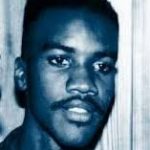
Ms. Thing


In the vibrant landscape of early 2000s Jamaican music, few voices were as instantly recognizable as ms.thing. Rising to international prominence as a teenager, she became the definitive female voice of the “Mad House” sound. Her sharp delivery and youthful energy provided the perfect foil for dancehall legends. Through her massive crossover hits, she helped bridge the gap between Kingston’s street riddims and the global pop charts. This biography explores her meteoric rise, her collaboration with industry heavyweights, and her lasting influence on the genre.
Early Life and Background
- Birth Name: Nateshia Lindsay
- Date of Birth: September 15, 1986
- Place of Birth: Kingston, Jamaica West Indies
Nateshia Lindsay grew up in the heart of Kingston, a city fueled by the constant pulse of reggae and dancehall. Raised in a culture where sound systems were the primary form of entertainment, she developed an early affinity for rhythm. She attended local schools in Kingston, where her peers first noticed her distinct vocal tone and fearless personality. Unlike many artists who train for years, her talent was raw and instinctive.
Life Before Fame
Before becoming ms.thing, Nateshia was a typical Kingston teenager navigating a modest upbringing. Life was centered around family and the local community. She did not hold traditional corporate jobs, as her music career began while she was still in her mid-teens.
During this period, she spent her time honing her “deejaying” (reggae rapping) skills. She frequently visited local studios, observing how veteran artists recorded their tracks. Her technical skills were developed through “vibing” on riddims, learning the intricate timing required for dancehall flows. This informal apprenticeship prepared her for the high-pressure environment of professional recording.
Becoming Famous: The Discovery
The turning point in her life occurred when she was just 17 years old. She was discovered by the legendary producer Dave Kelly, the mastermind behind the Mad House record label. Kelly is widely considered one of the most influential producers in Caribbean music history.
Recognizing her unique “sassy” persona, Kelly gave her the stage name ms.thing. He mentored her, teaching her how to craft lyrics that resonated with both local audiences and international listeners. Her development was fast-tracked by being placed in the same studio environment as dancehall icons like Beenie Man and Cham.
Career and Major Events
The Global Breakthrough (2003–2004)
In 2003, ms.thing recorded the hook for Beenie Man’s track “Dude” on the “Fiesta” riddim. The song became a massive global success in 2004. It peaked in the top 10 of the UK Singles Chart and performed exceptionally well on the US Billboard Hot 100.
Solo Success and “Miss Jamaica”
Following the success of “Dude,” she released her debut studio album, “Miss Jamaica,” in 2004 under the Mad House/Delicious Vinyl labels. The album showcased her ability to hold a track solo, featuring hits like “Regular” and “Get That Money.” She toured extensively during this time, representing the new generation of female dancehall artists.
International Collaborations
Her career was marked by a willingness to experiment. She later collaborated with Major Lazer on the track “When You Hear the Bassline,” which introduced her voice to the burgeoning EDM and Moombahcore scenes. These collaborations ensured her voice remained relevant even as traditional dancehall trends shifted.
Challenges and Transition
Navigating the music industry as a young woman presented various challenges, including the pressure to maintain a specific image. Despite these hurdles, she remained a consistent performer in the Caribbean circuit for over a decade.
10 Facts About ms.thing
- She was only 17 years old when she recorded her first major hit.
- Her stage name was chosen to reflect her confident and feisty personality.
- She is a native of Kingston, Jamaica, which deeply influenced her patois lyrics.
- Dave Kelly, her mentor, also produced hits for Bounty Killer and Wayne Wonder.
- Her hit “Dude” remains one of the most-played dancehall tracks in clubs worldwide.
- She successfully crossed over into the Electronic Dance Music (EDM) genre.
- ms.thing is known for her signature high-pitched, melodic “sing-jay” style.
- She performed at major festivals including Sumfest and Sting in Jamaica.
- Her debut album Miss Jamaica features production almost entirely by Dave Kelly.
- In recent years, she has publicly embraced a lifestyle centered on her Christian faith.
Ms. Top 10 Most Popular Songs
- Dude (with Beenie Man)
- Regular
- Get That Money
- When You Hear the Bassline (with Major Lazer)
- Bruk Out (with Major Lazer)
- No Space
- Ice Cream
- Beautiful
- Burn
- Rich Girl
Record Labels
Throughout her career, she has been associated with:
- Mad House Records (Dave Kelly’s label)
- Delicious Vinyl
- VP Records
Later Life
In the 2010s and 2020s, ms.thing stepped back from the mainstream dancehall spotlight. She transitioned into a more private life, focusing on her family and spiritual growth. She has shared her testimony regarding her conversion to Christianity, often speaking about finding peace outside of the music industry’s rigors. Currently, she is remembered as a veteran of the “Golden Era” of 2000s dancehall.
Legacy and Impact
The legacy of ms.thing is defined by her role as a female powerhouse in a male-dominated industry. She proved that a teenage girl from Kingston could command global attention without losing her cultural authenticity.
Relevant Statistics
- “Dude” Chart Position: #7 on the UK Singles Chart (2004).
- Billboard Performance: Spent over 20 weeks on the R&B/Hip-Hop charts.
- Digital Reach: Her top tracks continue to garner millions of streams on platforms like Spotify and YouTube.
She is remembered as the “voice of the Fiesta riddim” and an artist who brought a unique feminine energy to the aggressive sounds of 2000s Jamaican music. Her influence can be heard in the flows of contemporary female dancehall stars who prioritize both melody and “badness.”
Conclusion
In summary, ms.thing remains a pivotal figure in the history of crossover dancehall. From her discovery by Dave Kelly to her chart-topping success with Beenie Man, she navigated the industry with charisma and talent. While she has shifted her focus toward her faith in recent years, her discography continues to provide the soundtrack for Caribbean celebrations globally. She remains an enduring icon of Jamaica’s musical export.ntinues to inspire new generations of musicians. As Ms. Thing transitions into a new phase of her life, her contributions to music remain a cherished part of dancehall history. Her story is one of passion, perseverance, and the transformative power of music.