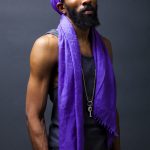
Ras Shiloh


Ras Shiloh Biography: A Unique Voice in Reggae Music
Ras Shiloh is a Brooklyn‑born reggae and roots singer whose soaring tenor, conscious lyrics, and spiritual delivery have made him one of the most distinctive voices of modern roots reggae and culture‑driven dancehall. Across albums such as “From Rasta to You” and “Only King Selassie,” Ras Shiloh has built a global following by blending militant Rastafarian messages with soulful vocals often compared to Garnett Silk. The name “Ras Shiloh” associated with uplifting roots reggae, spiritual anthems, and a loyal international fan base spanning the Caribbean, North America, Europe, and beyond.
Early Life and Background
- Birth Name: Thomas Williams
- Date of Birth: January 6, 1975
- Place of Birth: Brooklyn, New York City, United States.
Ras Shiloh, born Thomas Williams, emerged from Brooklyn, New York, as a powerful reggae and dancehall singer rooted in Rastafarian spirituality and cultural consciousness. His tenor voice, often likened to the legendary Garnett Silk, helped him stand out in the roots‑reggae revival movement of the late 1990s and 2000s. With albums like “Chants,” “From Rasta to You,” “Coming Home,” and “Only King Selassie,” Ras Shiloh carved a respected place in modern roots reggae, working with key labels such as VP Records and Greensleeves.
Long‑tail SEO phrases related to ras shiloh that naturally appear in this biography include: “Ras Shiloh roots reggae singer,” “Ras Shiloh Brooklyn New York biography,” “Ras Shiloh most popular songs,” “Ras Shiloh discography and albums,” and “Ras Shiloh Rastafarian reggae artist.”
Ras Shiloh was born into a family with Southern roots in the United States, with connections to North Carolina and the broader American South. Though his parents were not from Jamaica, he grew up strongly influenced by Jamaican culture through his community in New York City and the reggae sound systems that shaped his youth.
Upbringing and Family Influences
Growing up in Brooklyn, Thomas Williams was surrounded by a vibrant Caribbean and African‑American community. Where reggae, dancehall and soul music were part of everyday life. He has mentioned that his mother sang in a choir and that he also has family ties to soul singer Betty Wright, which helped expose him early to strong vocal traditions and performance. That combination of gospel‑style expression, soul, and roots reggae would later define the emotional intensity of his own voice.
Ras Shiloh was raised with deep spiritual awareness. Eventually embracing Rastafarian beliefs that emphasize faith in Haile Selassie I. African consciousness and social justice. This spiritual foundation became central to both his personal life and his lyrical themes, which consistently address liberation, morality, and the upliftment of oppressed people.
Early Education and Musical Exposure
Ras Shiloh’s early education took place in New York City during the 1980s, a period when reggae, hip‑hop, and dancehall were rapidly expanding. As a youth, he split his time between school and the streets of Brooklyn, where sound systems, local studios, and community events provided informal “music schooling.” These spaces taught him performance skills, microphone control, and the discipline required to compete as a singer among many talented local artists.
Life Before Fame
Ras Shiloh began his musical journey very young, starting his career in the industry around the age of nine under the moniker “Big Belly Youth.” During these early years, he was active on the local scene, performing on community stages, sound‑system sessions, and small shows across Brooklyn and other parts of New York. This period was less about fame and more about learning the craft, improving his vocal range, and understanding how to connect with live audiences.
As “Big Belly Youth,” he developed a reputation as a talented singer with an unusually high, emotive tenor, even before he recorded widely. He spent long hours around sound systems, where selectors and older artists would give him chances on the microphone, offering guidance and critique that helped shape his skills. These experiences gradually prepared him for studio work and the more professional side of the reggae business.
Work, Hustle, and Technical Skills
Before widespread recognition, Ras Shiloh lived the typical hustle of an underground artist, balancing musical work with everyday responsibilities. He learned how to navigate recording studios, understanding basic vocal production techniques, dubplate recording, and live band rehearsals. The technical knowledge gained in these spaces allowed him to communicate better with producers and engineers later in his career, helping him refine the sound of his recordings.
He also honed practical skills essential for survival in the music world: networking with promoters, negotiating small performance fees, and working with independent producers. These early realities—playing for little pay, rehearsing often, and promoting his own shows—built his persistence and humility long before the name Ras Shiloh became known internationally.
How He Became Famous
Mentors, Producers, and Key Supporters
Ras Shiloh’s transition from local “Big Belly Youth” to recognized artist “Ras Shiloh” was made possible by a network of producers, elders, and fellow musicians in both the United States and Jamaica. Among the most important early supporters was Tony Rebel and his Flames Productions camp, which helped bring Ras Shiloh’s talent into the Jamaican roots‑reggae spotlight.
His breakthrough came in the mid‑1990s with the song “Are You Satisfied,” produced by Tony Rebel’s Flames Productions on the popular “Lalabella” riddim. The combination of his intense vocal delivery with a well‑loved roots rhythm allowed the song to travel far beyond Brooklyn, earning airplay in Jamaica, North America, and Europe. That single effectively introduced Ras Shiloh as a serious roots singer with a distinctive sound.
Connection to Jamaican Reggae Scene
Although he was born in Brooklyn, Ras Shiloh deepened his artistry by traveling to Jamaica to record and immerse himself in the island’s cultural and musical environment. In Jamaica, he worked with producers such as Donovan Germain and linked with established roots artists and musicians, further legitimizing his presence on the global reggae scene.
These trips were not glamorous; they involved long hours in the studio, extended stays focused on writing and recording, and living a simple life centered on music. However, those sessions helped generate some of his most important songs and cemented his reputation as a reggae singer whose authenticity matched that of artists born on the island.
Career and Major Events
Early Discography and Breakthrough Records
Ras Shiloh’s recording career developed steadily from the late 1990s onward, with a series of albums and collaborations that showcased his spiritual and emotional range.
Key albums include:
- “Chants” (1997) – Released on Melchezidek (Ras Shiloh & Idrens), this early project emphasized roots chanting and cultural themes, announcing him as a serious conscious artist.
- “Babylon You Doom” (1998) – Released on Shiloh B, this album continued his militant roots direction, focusing on injustice, spiritual warfare, and resistance.
- “Listen Well” (1999) – Released on Who Dun It, it further developed his lyrical focus on guidance, upliftment, and the importance of listening to spiritual truth.
- “From Rasta to You” (2002) – Released by VP Records, this album became one of his most recognized works globally and solidified his status in the international roots‑reggae market.
- “Coming Home” (2007) – Released by VP Records, this project highlighted themes of spiritual return, identity, and redemption, delivered with mature vocals and strong production.
- “Only King Selassie” (2007) – Released on Greensleeves Records, this album paid direct homage to Haile Selassie I and deepened his association with Rastafarian spirituality.
- “Humanity EP” (2012) – Released on Flava McGregor Records, this EP presented a more contemporary sound while still focusing on humanitarian and spiritual content.
- “See It Deh” (2024) – Produced by Michael “Jah Mikes” Coburn for Reggae Vibes Productions, this later‑career album confirmed that Ras Shiloh remained creatively active nearly three decades after his debut.
These releases show a consistent focus on roots‑reggae themes such as Babylon criticism, African pride, spiritual faith, and moral reform, supported by his instantly recognizable tenor.
Vocal Style and Comparisons to Garnett Silk
One of the defining aspects of Ras Shiloh’s career has been the frequent comparison of his voice to Garnett Silk, the beloved Jamaican singer who passed away in 1994. Like Silk, Ras Shiloh sings in a high, expressive tenor that can switch quickly from soft pleading to powerful, almost wailing notes, which convey deep spiritual emotion.
Ras Shiloh has publicly acknowledged Garnett Silk’s influence, revealing that he studied Silk’s live shows and recordings intensely, rewinding and replaying performances to understand the phrasing and emotional delivery. Despite the resemblance, he developed his own phrasing, writing style, and stage presence, ensuring that his artistry stands on its own rather than functioning as an imitation.
Collaborations, Tours, and Live Performances
Throughout his career, Ras Shiloh has toured extensively, performing across the United States, the Caribbean, Europe, and other regions, often on cultural reggae festivals and roots tours. His live shows are known for spiritual intensity, with chants, Nyabinghi‑influenced cadences, and a strong connection to the audience’s energy.
He has worked with notable producers and labels including:
- VP Records
- Greensleeves Records
- Melchezidek
- Shiloh B
- Who Dun It
- Flava McGregor Records
- Reggae Vibes Productions
These partnerships allowed him to release music that reached both hardcore roots fans and broader reggae audiences, contributing to strong overseas followings, especially in Europe and Japan.
Challenges and Perseverance
Like many roots artists, Ras Shiloh has navigated challenges such as limited mainstream visibility, the ups and downs of record sales, and the difficulty of sustaining a career in a niche genre. He has spoken about staying focused on purpose rather than hype, emphasizing that his main goal is to use his voice as a “trumpet” for the Most High.
Despite industry obstacles, he remained consistent, releasing projects across multiple decades, continuing stage performances, and participating in interviews and media features that re‑introduced him to new generations of reggae listeners. This persistence is one reason his catalog continues to resonate in the streaming era, often surfacing on “best of roots reggae” playlists and DJ mixes.
Record Labels Associated with Ras Shiloh
Ras Shiloh’s music has been released through several prominent and independent labels in the reggae world. Major associated labels include:
- Melchezidek – Released “Chants” (1997).
- Shiloh B – Released “Babylon You Doom” (1998).
- Who Dun It – Released “Listen Well” (1999).
- VP Records – Released “From Rasta to You” (2002) and “Coming Home” (2007), distributing his music widely across international reggae markets.
- Greensleeves Records – Released “Only King Selassie” (2007), further cementing his reputation in Europe and beyond.
- Flava McGregor Records – Released the “Humanity” EP (2012), reflecting a more modern production approach.
- Reggae Vibes Productions – Released “See It Deh” (2024), demonstrating his ongoing relevance in contemporary roots reggae.
These labels provided key platforms for Ras Shiloh’s spiritual and socially conscious music, ensuring that his work reached both hardcore reggae collectors and digital‑age listeners.
Ten Facts About Ras Shiloh
- Ras Shiloh’s birth name is Thomas Williams, and he was born in Brooklyn, New York.
- He began his music career around age nine under the stage name “Big Belly Youth.”
- His distinctive tenor voice is frequently compared to that of Garnett Silk, one of roots reggae’s most revered singers.
- His breakthrough song “Are You Satisfied” was produced by Tony Rebel’s Flames Productions on the Lalabella riddim.
- Ras Shiloh’s parents are not Jamaican; his family roots are in the American South, including North Carolina, although he embraced Jamaican culture through his community in New York.
- His mother was a choir singer, and he has mentioned a family connection to soul singer Betty Wright, linking him to a lineage of vocal music.
- He has released albums with major reggae labels such as VP Records and Greensleeves, as well as projects on smaller independent labels.
- Ras Shiloh is a committed Rastafarian, and many of his songs honor Haile Selassie I and promote spiritual awakening.
- His 2024 album “See It Deh,” produced by Michael “Jah Mikes” Coburn, shows that his recording career is active more than 30 years after his early beginnings.
- Ras Shiloh maintains a strong international fan base, and his songs are frequently featured on reggae mixes and streaming playlists dedicated to conscious roots music.
Ras Shiloh Top 10 Most Popular Songs
- “Are You Satisfied” – A major breakthrough single produced by Tony Rebel’s Flames Productions on the Lalabella riddim; a staple of his catalog.
- “Child of a Slave” – A haunting and powerful roots track exploring ancestry, oppression, and spiritual strength.
- “Give I Strength” – A prayerful song asking for inner power to face trials, often cited as one of his most uplifting works.
- “Remove Ya” – A spiritually charged track warning against negative influences and calling for purification of the heart.
- “Are You Ready” – A call to spiritual readiness and moral reflection, commonly found on roots reggae compilations.
- “Mama Africa” – A song celebrating African identity and heritage, resonating with fans of pan‑African and Rastafarian themes.
- “From Rasta to You” – The title track from his 2002 album, delivering an intimate message from a Rastafarian perspective to listeners worldwide.
- “Coming Home” – A song that reflects themes of spiritual and cultural return, matching the album’s title.
- “Only King Selassie” – A devotional track honoring Haile Selassie I, central to his identity as a Rastafarian artist.
- “Humanity” – From the “Humanity” EP, this track urges compassion and unity, connecting spiritual principles with global issues.
These songs appear frequently in YouTube mixes, DJ sets, and streaming playlists such as “Ras Shiloh Greatest Hits” or “Best of Ras Shiloh,” indicating continued listener demand.
Later Life and Current Activities
Ras Shiloh is alive and continues to record and perform, remaining committed to roots reggae and Rastafarian principles. In recent years, he has granted in‑depth interviews discussing his journey, influences, spiritual focus, and his evolution from “Big Belly Youth” to a respected roots elder.
The release of the album “See It Deh” in 2024 through Reggae Vibes Productions demonstrates that he is still actively creating new music and engaging with fans. He continues to appear on live shows and cultural events, especially in reggae‑strong markets such as New York, Jamaica, and parts of Europe, while maintaining a relatively humble public profile focused on message rather than celebrity.
Legacy and Impact
Ras Shiloh’s legacy lies in his contribution to the modern roots‑reggae movement, particularly in showing how a Brooklyn‑born artist can authentically embody Rastafarian spirituality and Jamaican musical culture. His voice, frequently compared to Garnett Silk, has allowed fans of 1990s roots reggae to connect with a similar emotional timbre in a later generation.
His songs have addressed slavery’s legacy, spiritual warfare, personal repentance, and African identity, helping to sustain reggae’s traditional role as a vehicle for resistance and awakening. Consequently, Ras Shiloh is often cited among contemporary culture artists whose work maintains the classic values of roots reggae in an era dominated by other genres.
Relevant Statistics and Reach
While exact sales figures are not publicly detailed, Ras Shiloh’s reach can be measured through streaming platforms, YouTube views, and inclusion in curated reggae playlists and mixes. DJ mixes such as “Ras Shiloh Best of The Best Greatest Hits” showcase dozens of his songs and attract hundreds of thousands of cumulative views, reflecting sustained listener interest.
His association with major reggae labels VP Records and Greensleeves—two of the most important labels in global reggae distribution—indicates that his albums have enjoyed international distribution across CD, vinyl, and digital formats. Meanwhile, his continued presence in interviews and new releases into the 2020s shows that his influence spans multiple decades and a cross‑generational audience.
Conclusion
Ras Shiloh stands as a powerful voice in roots and culture reggae, bridging Brooklyn’s urban reality with the spiritual and cultural essence of Rastafarian music. From his beginnings as “Big Belly Youth” to international recognition through albums like “From Rasta to You,” “Only King Selassie,” and “See It Deh,” he has remained dedicated to messages of faith, justice, and upliftment. As a result, the name “ras shiloh” continues to resonate worldwide as a symbol of conscious reggae, soulful tenor vocals, and unwavering devotion to the Most High and to humanity.