Brigadier Jerry

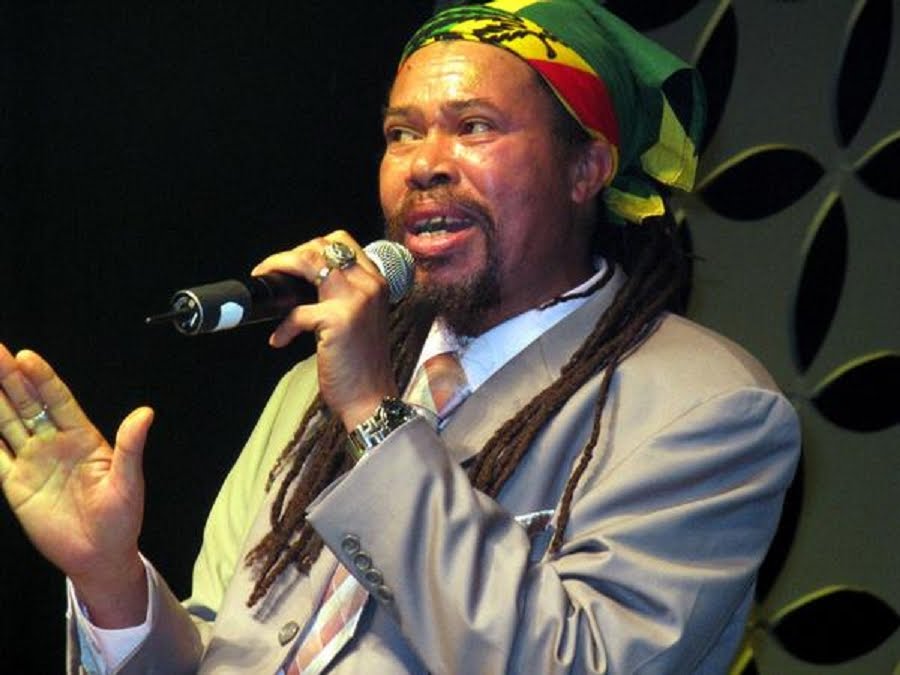
Brigadier Jerry: The Conscientious Voice of Reggae
Reggae music has long been a powerful voice for cultural and social expression. One of its most distinguished deejays, Brigadier Jerry, has left an indelible mark on the genre. Born Robert Russell on September 28, 1957, in Kingston, Jamaica, Brigadier Jerry’s unique style and conscious lyrics have captivated audiences worldwide. He is known for his work with various sound systems. His influence on future generations makes Brigadier Jerry a pivotal figure in reggae history.
Brigadier Jerry Early Life
Birth Name: Robert Russell
Date Of Birth: September 28, 1957
Place of Birth: Kingston, Jamaica
Born into the vibrant cultural landscape of Kingston, Jamaica, Robert Russell showed an early interest in music. As a young boy, he was inspired by the legendary U-Roy and the King Sturgav Hi-Fi sound system. This exposure ignited his passion for music, leading him to the Rastafarian movement. He joined the Twelve Tribes of Israel in the 1970s. It was here that Brigadier Jerry began toasting on the Jah Love sound system, honing his craft alongside fellow musicians Fred Locks and Freddie McGregor.
Rise to Prominence
Brigadier Jerry’s journey in the world of reggae began with recording sessions at the iconic Studio One. In 1982, he achieved his first hit with “Pain,” a rendition of Slim Smith’s “Never Let Go.” This success was followed by “Gwaan a School,” released on the Jwyanza label. These tracks established him as a formidable deejay, known for his conscious lyrics and engaging performances.
Sound System Collaborations
Throughout the 1980s, Brigadier Jerry collaborated with various sound systems, including Black Star, Supreme Love, and Downbeat International. His performances were immortalized through sound tapes, which spread his reputation across Jamaican communities in Britain and the USA. This made him a folk hero among expatriates. This era also saw the release of the live album Brigadier Jerry at the Controls in 1983. It was recorded during a dance in Ocho Rios with Jack Ruby’s sound system. The album showcased his dynamic interpretations of popular tracks like Dennis Brown’s “The World Is Troubled.”
Brigadier Jerry Studio Albums and Impact
“Jamaica Jamaica” and Beyond
In 1985, Brigadier Jerry released his first studio album, Jamaica Jamaica, under the RAS label. The album featured standout tracks such as “Armagideon” and an autobiographical title track. This served as a love letter to his homeland. His ability to infuse traditional riddims with modern sounds was further demonstrated on the one-riddim album Stalag 17, 18 and 19. There, he delivered the socially charged “What Kind of World”.
Transition to International Fame
The late 1980s marked Brigadier Jerry’s move to the USA, where he continued to expand his influence. His 1991 album On The Road and the 1993 Tapper Zukie-produced Hail Him showcased his adaptability and growth as an artist. Collaborations with reggae legends like Dennis Brown and reinterpretations of classics such as Errol Dunkley’s “You Never Know” cemented his status as a versatile and innovative deejay.
Legacy and Influence
Brigadier Jerry’s influence extends beyond his own recordings. He played a crucial role in the careers of emerging artists during the 1990s, inspiring the likes of Tony Rebel and Garnett Silk. His sister, Sister Nancy, and fellow deejay Sister Carol also benefited from his mentorship. They carved out their own successful paths in the reggae scene.
Brigadier Jerry’s popular songs
- Jamaica, Jamaica: One of his most well-known songs, it was a hit in 1984 and remains a classic. Its lyrics are available on forums for fans to learn.
- Every Man Ah Mi Brethren: A prominent track that emphasizes his message of unity and brotherhood. Its popularity is reflected in streaming stats.
- Strictly Rub-A-Dub: A classic dancehall party anthem that showcases his influential toasting style.
- Pain: Released in 1982, this track was a major hit, propelling him to the top of the Jamaican charts.
- Jah Jah Move: This track was featured on his 1985 album, Jamaica Jamaica, and is considered a fan favorite.
- Ram Dance Master: A popular track that has appeared on both his 1986 album of the same name and a 2017 single.
- What Kind of World: This song showcases Brigadier Jerry’s social commentary and remains a recognized hit.
- Horse A Gallop: Originally released as a 7″ in 1985, it is a notable part of his discography.
- Give Thanks & Praise: A roots-reggae audio track that is frequently included in compilations and playlists of his most popular work.
- Kushunpeng: Another notable track from his 1985 Jamaica Jamaica album, still popular with fans of his classic sound.
Rejuvenating the Art of the Deejay
Together with contemporaries like Charlie Chaplin and Josey Wales, Brigadier Jerry revitalized the deejay art form. By demonstrating that the new dancehall style could convey serious, socially aware messages, he set a standard for future generations of artists.
Conclusion
Brigadier Jerry stands as a testament to the power of reggae music as a tool for cultural expression and social change. His dedication to conscious lyrics and innovative sound has left an enduring legacy, influencing countless artists and fans worldwide. As a pioneering deejay, he has carved out a unique place in reggae history. His voice will resonate for years to come.