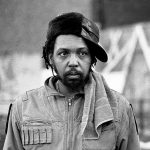
Michael Palmer


Michael Palmer: The Journey of a Reggae Legend
Michael Palmer, a luminary in the reggae music scene, has left an indelible mark on the genre with his distinctive vocal style and captivating performances. Born in 1960 in the vibrant Maxfield Park area of Kingston, Jamaica, Palmer, also known as Palma Dog, embarked on his musical journey in the late 1970s. His music has resonated with fans across the globe, influencing the reggae, dancehall, and even the burgeoning digital reggae scenes. In this biography, we delve into the life and career of Michael Palmer. We explore his rise to fame, his challenges, and his enduring legacy.
Early Life and Beginnings
Birth Name: Michael Palmer
Date Of Birth: October 30, 1960
Place Of Birth: Maxfield Park, Kingston, Jamaica West Indies
Michael Palmer was born in Kingston, Jamaica, in 1960. Growing up in the culturally rich and musically vibrant environment of Maxfield Park, Palmer was naturally drawn to the world of reggae. His birth name remains a mystery to many, but his contributions to the genre have been anything but obscure.
Inspired by his neighbor, the renowned reggae artist Leroy Smart, Palmer began performing with local sound systems in the late 1970s. His initial foray into music saw him collaborating with Stereophonic Sound, where he worked alongside General Echo. However, the tragic shooting of Echo and Stereophonic’s owner, Big John, in 1980 posed a significant challenge to Palmer’s budding career.
Michael Palmer Breakthrough and Success
Palmer’s perseverance soon paid off. Although his debut single, “Mr. Landlord” (1975), recorded for producer Oswald Thomas, did not achieve success, he found his breakthrough with tracks like “Smoke the Weed,” produced at Channel One. He collaborated with Jah Thomas on hits such as “Ghetto Dance” and “Different Love.” Thus, Palmer began to make a name for himself.
In 1984, Michael Palmer achieved his first number one single in Jamaica with “Lick Shot,” produced by George Phang. This marked a high point in his career, and he performed at the Reggae Sunsplash festival the same year. His collaborations with other producers like Sugar Minott, Prince Jammy, and Joseph Hoo Kim further solidified his position as a formidable force in reggae music.
Transition to Production and Challenges
As the 1980s progressed, Palmer transitioned into music production, achieving success with Neville Brown’s “Haul and Pull Up.” Despite his achievements, Palmer faced vocal challenges that forced him to step back from singing. In the early 1990s, he moved to the United States, distancing himself from the music industry for nearly two decades.
Despite these setbacks, Michael Palmer’s influence continued to resonate. His unique vocal style significantly impacted the emerging digital reggae scene of the mid-1980s. It extended into early ragga, jungle music, and drum and bass scenes in London during the 1990s.
Michael Palmer Return to Music
In the 21st century, Michael Palmer made a triumphant return to music. Performing in the United States and releasing new music in 2017, Palmer rekindled his passion for reggae. Teaming up with his new manager Barrington Gray and Cedar Valley Records in Sweden, he collaborated with producer/engineer Andre “Tripple T” Daley from Jamaica. Palmer released a series of new tracks in 2018, signaling a new chapter in his illustrious career.
Legacy and Influence
Michael Palmer’s contributions to reggae music have been profound. His ability to blend traditional reggae with contemporary sounds has earned him a place among the genre’s greats. His influence is evident in the works of many artists who followed, and his music continues to inspire new generations.
Michael Palmer top 10 Most Popular Songs
- Lick Shot
- Ghetto Dance
- Different Love
- Smoke the Weed
- Juggling
- Everyone Makes Love
- Cool Nuh
- Dem a Lick Shot
- I’m Still Dancing
- Gunman
Conclusion
Michael Palmer’s journey through the reggae music landscape is a testament to his talent, resilience, and enduring appeal. From his early days in Kingston to his resurgence in the 21st century, Palmer has consistently demonstrated his ability to innovate and captivate audiences. As a reggae artist, singer, and producer, his legacy is etched in the annals of music history, and his story continues to inspire artists and fans alike.